Emerson Park wedding flowers local florist tips
Posted on 17/09/2026
If you are planning a wedding in Emerson Park, flowers can feel like one of those lovely details that suddenly becomes very not-lovely when you realise how many decisions are involved. Bouquet shape, colour palette, delivery timing, buttonholes, table styling, ceremony setup, weather, budget... it adds up fast. These Emerson Park wedding flowers local florist tips are here to make the process calmer, clearer, and much more workable.
Truth be told, the best wedding flower plans are rarely the flashiest ones. They are the ones that suit the venue, the season, the schedule, and the people carrying the flowers without fuss. A good local florist can help with all of that, especially if you want arrangements that look polished in person and hold up well through the day. Let's make it simple.
You will find practical advice here on choosing a florist, planning your floral budget, matching flowers to your venue, and avoiding the small mistakes that can cause unnecessary stress later. If you are comparing wedding flower styles, it also helps to look at broader options such as wedding flower collections, which can give you a useful starting point before you narrow the design down to your own day.
Why Emerson Park wedding flowers local florist tips Matters
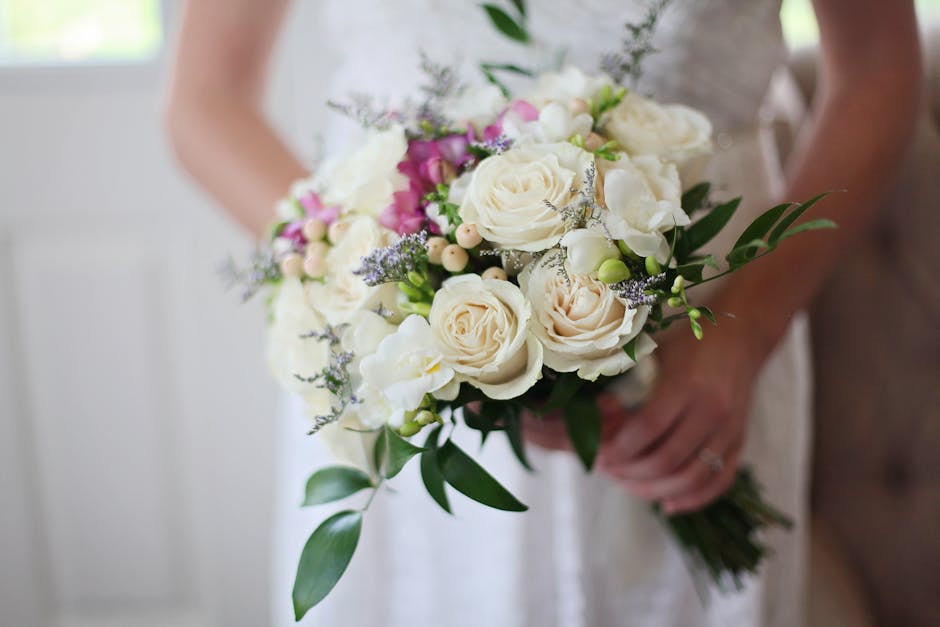
Wedding flowers are not just decoration. They shape the feel of the day the moment guests arrive, and they show up in photos for years afterwards. In a place like Emerson Park, where couples often want something elegant, personal, and close to home, working with a local florist can make a real difference.
A local florist understands how to balance style with logistics. That matters more than people expect. A bouquet might look beautiful in a cool studio, then wilt in a warm car. A table arrangement may be perfect on its own, but too tall once it is placed on an actual reception table with candles, menus, place cards, and glasses everywhere. That sort of detail is where local experience pays off.
There is also the simple benefit of communication. If you are discussing ceremony flowers, bridesmaid bouquets, buttonholes, and table styling all in one go, it helps to speak to someone who knows how weddings tend to flow in practice. Not just in theory. In our experience, that calm, practical guidance can save both time and money.
And to be fair, flowers are emotional purchases. You are not just buying stems. You are buying the atmosphere of the day. That is why the best Emerson Park wedding flowers local florist tips always come back to fit, timing, and trust.
How Emerson Park wedding flowers local florist tips Works
The process usually starts with your wedding vision, then narrows into a practical plan. A local florist will typically ask about your venue, colour scheme, preferred flowers, season, guest numbers, and the parts of the day you want to prioritise. That may sound basic, but it is the right place to begin.
Here is the usual flow:
- You share the basics. Think date, venue, style, and budget range. If you know your dress shape or suit palette, mention that too. It helps more than you'd think.
- The florist translates ideas into workable designs. This is where style meets reality. A flower that looks dreamy in a mood board might not be ideal in late summer heat, or it may be expensive in the wrong season.
- Seasonal options are suggested. A good florist will often recommend flowers that are available and reliable around your wedding date, rather than forcing a fragile choice that creates risk.
- Delivery and setup are planned. For weddings, timing matters. Bouquets, buttonholes, ceremony flowers, and reception pieces may need to arrive at different moments.
- The details are confirmed. Final quantities, colour changes, substitutions, and any venue access requirements should all be agreed in advance. No one wants a last-minute surprise. Well, apart from the groom opening the confetti bag and finding it everywhere.
Local florists also tend to be more hands-on with adjustments. If you need to swap from roses to something slightly more seasonal, or trim an arrangement to suit a smaller table, the conversation is usually more direct and less awkward. That ease of adjustment can be very useful.
If you are still exploring styles, you may also want to browse specific wedding pieces such as bridal bouquets, bridesmaid bouquets, and buttonholes to see how the parts of the floral order fit together.
Key Benefits and Practical Advantages
The biggest advantage of using a local florist for wedding flowers is control. Not control in a rigid sense, but control over timing, suitability, and the final look. Small details can make a surprisingly big difference on the day.
- Better local knowledge: A florist familiar with Emerson Park and nearby wedding venues is more likely to understand access, timing, parking, and setup limitations.
- More suitable flower choices: Seasonal, hardy, and venue-friendly flowers usually perform better than fashionable flowers chosen without context.
- Less risk of damage in transit: Shorter local delivery routes can reduce the chance of flowers arriving tired or knocked about.
- Clearer communication: It is easier to fine-tune bouquet sizes, colour tones, and arrangement shapes when you can discuss them in plain language.
- Better visual consistency: Your bouquet, centrepieces, and ceremony arrangements can be designed as one coherent story rather than separate pieces.
- Faster problem-solving: If something needs changing near the wedding date, a local florist is often better placed to respond quickly.
There is another subtle benefit people miss: confidence. When you know the flowers are being handled by someone who understands the area and the event rhythm, it removes a layer of background worry. And honestly, every wedding plan could use one less thing to think about.
If you want a cohesive look, it can help to think in collections rather than single items. Options such as wedding collections can make it easier to keep the bouquet, bridesmaid flowers, and reception styling visually aligned.
Who This Is For and When It Makes Sense
This approach suits a wide range of couples, but it is especially useful if any of the following sound familiar:
- You are marrying locally in or near Emerson Park and want a florist who understands the area.
- You care about flowers looking beautiful in person and in photographs.
- You want a design that feels bespoke, not generic.
- You are managing the planning yourself and need straightforward guidance.
- You have a budget in mind and want to use it wisely rather than spreading it too thin.
- You are planning multiple floral elements, not just a bouquet.
It also makes sense if you are getting married in a church, hotel, community venue, marquee, or at home. Different settings need different flower decisions. For example, a formal venue can handle larger statement arrangements, while a smaller room usually benefits from lower table pieces and a tighter palette. Same flowers, very different effect.
This is particularly helpful for couples who are not flower experts. You do not need to know the difference between anemones and lisianthus before having a good conversation with a florist. A decent florist should explain options in normal language and steer you gently, not baffle you with jargon.
Step-by-Step Guidance
If you are planning wedding flowers around Emerson Park, the simplest route is to work through the process in order. It stops the floral side of the wedding from becoming a swirl of half-decisions.
- Set the budget early. Decide what you want to spend on flowers overall, not just on the bouquet. If you plan ceremony flowers, table arrangements, buttonholes, and a few extras, they all need to sit inside the same number.
- Define the priority pieces. Some couples want the bridal bouquet to be the star. Others prioritise ceremony styling or reception tables. There is no right answer, only the right balance for your day.
- Choose your colour direction. Start broad: soft neutrals, romantic pinks, classic whites, rich jewel tones, or something seasonal and vibrant. You can refine later.
- Think about the venue. A high-ceilinged room can take larger arrangements. A smaller, intimate space often needs lighter designs to avoid overcrowding.
- Discuss seasonal flowers. This is where practical advice matters. Seasonal stems often look fresher, are easier to source, and can be better value.
- Confirm exact pieces. Bridal bouquet, bridesmaid bouquet, groom buttonhole, other buttonholes, corsages, table pieces, pedestal arrangements, or registrar table flowers if relevant.
- Ask about delivery and setup. Make sure you know when the flowers will arrive, who will place them, and what happens if the schedule shifts slightly on the day.
- Review the final proposal carefully. Check flower types, colours, sizes, substitution policies, and any extras such as vases or ribbons. Tiny detail, big difference.
A small but useful habit: bring a couple of visual references, but not twenty. Three strong images are usually more helpful than a giant mood board with every pink flower ever pinned on the internet.
If your wedding style leans classic, pieces like table arrangements and corsages can round out the look without overcomplicating the design.
Expert Tips for Better Results
Here is where a bit of florist know-how really helps. These are the kinds of small decisions that separate a decent wedding flower plan from a polished one.
1. Choose flowers that behave well on the day
Some flowers are stunning but fussy. Others are not the most dramatic on their own, yet they last beautifully, photograph well, and handle movement better. Roses, lisianthus, orchids, hydrangea, and mixed seasonal flowers are often used for that reason, though the right choice depends on the season and style.
2. Match bouquet size to the person carrying it
This sounds obvious, but it is missed surprisingly often. A bouquet that looks luxurious on a table can feel unwieldy in hand, especially during a long ceremony or a busy photo schedule. Your florist should help scale it properly.
3. Use repetition for a more expensive look
Repeating one or two flowers across the bouquet, buttonholes, and table pieces creates visual continuity. It is a simple technique that often makes the whole wedding feel more intentional.
4. Ask for a realistic colour match
Exact colour matching in flowers is never perfectly exact. Petals vary, lighting changes, and some tones shift slightly indoors. A good florist will steer you towards a harmonious palette rather than promise an impossible match to a printed swatch.
5. Keep the weather in mind
Late spring and summer weddings can be warm indoors, especially once guests arrive and the room fills up. If your flowers need to stay fresh for several hours, structure and hydration matter. A florist with practical wedding experience will know this instinctively.
Expert summary: the safest wedding flower plans are usually the ones that combine seasonal blooms, sensible sizing, and a clear delivery schedule. Fancy is lovely. Reliable is better.
One more thing: do not be shy about asking what substitutions might happen if a specific flower is unavailable. That conversation is not a sign of trouble; it is a sign of decent planning.
Common Mistakes to Avoid
Wedding flowers are joyful, but a few avoidable missteps can create stress for no good reason. The good news is that most of them are easy to prevent.
- Leaving flowers too late: Good florists get booked, especially for busy wedding dates. Waiting can limit your choices.
- Planning without a budget ceiling: Without a clear number, floral choices can quietly expand until they no longer suit the rest of the wedding.
- Choosing flowers only by looks: Beautiful on Pinterest is not always beautiful after transport, ceremony handling, and a few hours of warmth.
- Ignoring the venue scale: Oversized flowers in a compact space can feel heavy. Tiny arrangements in a large hall can disappear.
- Forgetting the practical pieces: Buttonholes, corsages, table flowers, and any setup flowers for signage or cake areas are easy to overlook.
- Assuming every florist offers the same service: Some provide full setup, some do delivery only, and some specialise in certain floral styles. Always check.
Another common one: trying to match every floral decision to one single image. Inspiration is useful, but a real wedding needs real-world adaptation. A bouquet can borrow the mood of a picture without copying it stem for stem.
If you are aiming for a classic wedding look, exploring specific categories like roses, lilies, or mixed seasonal options can help you avoid a vague "just something pretty" brief. That brief, by the way, is where budgets go to wander off.
Tools, Resources and Recommendations
You do not need fancy software to plan wedding flowers well. A few simple tools and habits will make the process much easier.
- A shared notes app or document: Keep your flower ideas, quotes, and questions in one place so nothing gets lost.
- Venue measurements or photos: Even rough room images can help a florist judge scale, table shape, and likely focal points.
- Colour references: Fabric swatches, dress images, invitation artwork, or even a screenshot of your bridesmaid outfits can be useful.
- A shortlist of "must-have" flowers: If there are one or two blooms you truly want, say so early. The florist can then build around them intelligently.
- A practical checklist for delivery day: Who receives the flowers, where they are placed, and who is responsible for any final moves.
It also helps to think about the wider wedding experience. If guests are staying over or you are planning related events, flower choices can connect with other gifting or occasion pieces in a subtle way. For example, some couples like to use matching tones across day-of flowers and nearby celebration gifting. If that is useful to you, browsing gifts for her or luxury flowers can give you a sense of the style range available.
And if you are in the early stages and still figuring out what kind of florist you want, a local option such as a florist in Hornchurch RM11 can be a practical starting point for a wedding conversation, especially if you want someone close enough to handle timing with less friction.
Law, Compliance, Standards, or Best Practice
For wedding flowers, the main compliance issues are usually practical rather than highly regulated. You are generally looking at consumer clarity, delivery expectations, and the florist's usual business terms. In the UK, a trustworthy florist should be clear about what is included, what happens if a product is unavailable, and how changes or cancellations are handled.
Best practice usually includes the following:
- Clear written confirmation: The agreed flower types, quantities, colours, and delivery details should be documented.
- Transparent substitution policy: Seasonal flowers can vary, so a florist should explain how they handle equivalents if needed.
- Reasonable notice for changes: Wedding orders often need cut-off dates because stems are ordered in advance and prepared fresh.
- Delivery access planning: If the venue has restricted access, loading rules, or arrival windows, share them early.
- Care instructions where relevant: Some arrangements need water, shade, or careful handling before ceremony time.
If you are booking at short notice, ask direct questions rather than assuming. Can the florist deliver at the exact hour you need? Will arrangements be set up, or just dropped off? Are there any parts of the order that might need a substitute? Those questions are plain, but they are the right questions.
There is also a simple customer expectation point: wedding flowers should arrive looking fresh, orderly, and appropriate for the brief. That may sound obvious, yet it is exactly why experienced florists pay attention to packing, transport, and the order of deliveries.
Options, Methods, or Comparison Table
Couples planning Emerson Park wedding flowers usually choose between a few broad approaches. Each has its own rhythm, cost profile, and level of flexibility.
| Approach | Best for | Strengths | Trade-offs |
|---|---|---|---|
| Fully bespoke design | Couples wanting a highly personal look | Most tailored, strong visual coherence, venue-specific styling | Usually needs more planning time and clearer budget control |
| Collection-based ordering | Couples wanting an easier decision process | Quick to choose, cohesive styling, simpler coordination | Less room for detailed custom changes |
| Seasonal florist choice | Couples open to guidance and value | Often practical, fresh-looking, and flexible around availability | Less control over exact flower varieties |
| Minimal essentials only | Smaller weddings or tighter budgets | Cost-conscious, straightforward, easy to manage | Less visual impact across the venue |
For many couples, the sweet spot is somewhere between bespoke and collection-based. You want enough personalisation to make the day feel like yours, but not so much complexity that every tiny decision becomes a negotiation. Nobody needs that energy.
If you prefer a structured route, options such as white wedding collections or romantic wedding collections can make it easier to compare looks without starting from zero.
Case Study or Real-World Example
Here is a realistic example of how the planning process might go for a local Emerson Park wedding. A couple wants a soft, elegant look with white and blush flowers, but they are not set on exact blooms. The venue is a fairly light room, with round guest tables and a simple ceremony space.
Instead of chasing rare flowers, the florist suggests a palette built around reliable seasonal stems with roses as the main flower, supported by softer filler and a couple of focal pieces for the ceremony. The bride wants a bouquet that feels full but not heavy, so the design is kept compact enough to carry comfortably from the ceremony into photos and the reception.
The table flowers are kept lower than expected because the room already has plenty of light and the couple wants guests to talk easily across the tables. That is a small detail, but it changes how the room feels. The buttonholes are matched to the bouquet without being identical, so the overall look is coordinated rather than overly matched.
On the day, the flowers arrive in stages. Bouquets first, then buttonholes, then table pieces and any ceremony arrangements. Everything is placed before guests arrive, so the room already feels complete when people walk in. That is the quiet magic of good wedding flowers. You notice it immediately, then you stop noticing it because it just fits.
The couple did not need ten floral decisions. They needed the right five or six. That is usually the difference between overwhelm and a smooth result.
Practical Checklist
Use this checklist before you confirm your wedding flowers. It keeps the process tidy, and tidy is underrated.
- Confirm your wedding date and venue details.
- Set a clear floral budget range.
- Decide which pieces matter most: bouquet, bridesmaid flowers, buttonholes, ceremony arrangements, tables.
- Choose your main colour palette.
- Share dress, suit, or decor references if helpful.
- Ask which flowers are seasonal and reliable for your date.
- Check whether the florist offers delivery, setup, or both.
- Confirm what happens if a flower is unavailable.
- Review sizes so bouquets and arrangements suit the venue.
- Make sure the final order is written down clearly.
- Share access instructions for the venue or preparation location.
- Ask who will be the contact on the day.
Quick takeaway: the best Emerson Park wedding flower plans are usually simple, seasonal, and well timed. Not plain. Just sensible in a good way.
Get a free quote today and see how much you can save.
Conclusion
Good wedding flowers do more than decorate a room. They set the tone, support the photos, and quietly hold the whole day together. With the right local florist, you can get flowers that feel personal, look beautiful, and fit the practical realities of an Emerson Park wedding without becoming a source of stress.
The main idea is simple: start with your venue, your season, and your budget, then let the florist guide the rest. Keep the plan focused. Ask clear questions. Choose flowers that work in real life, not just on a mood board. That approach tends to deliver the nicest result, and often a calmer one too.
If you are at the stage where you want to compare styles, build your shortlist, or refine the pieces you need, take it one step at a time. Good flowers have a way of making everything else feel more settled. A little bloom of calm, really.
Frequently Asked Questions
What should I ask a local florist before booking wedding flowers in Emerson Park?
Ask about availability, delivery, setup, seasonal flower options, substitution policy, and whether the florist has experience with weddings similar in size or style to yours. It is also sensible to ask how they handle last-minute weather or timing changes.
How far in advance should I book wedding flowers?
Earlier is usually better, especially for busy wedding months. If your date is popular, booking well ahead gives you more choice and a less rushed design process. Short-notice weddings can still work, but the selection may be narrower.
Are local florists better for wedding flowers than online-only sellers?
Often, yes, if you want a more tailored experience and reliable delivery timing. A local florist can usually talk through venue needs, flower suitability, and on-the-day logistics more naturally. That said, the right choice depends on your priorities.
How do I keep wedding flowers within budget?
Focus on the pieces that matter most and let seasonal flowers do some of the heavy lifting. Reusing flowers across the ceremony and reception can also help. Clear priorities are usually more effective than cutting tiny bits from every part of the order.
What flowers are best for wedding bouquets?
There is no single best option, but roses, lisianthus, orchids, hydrangea, and other seasonal blooms are commonly used because they suit many styles and handle wedding-day conditions reasonably well. A florist can help you pick based on the season and your look.
Can I have different flowers for the bride and bridesmaids?
Absolutely. Many weddings use a fuller bridal bouquet with simpler or smaller bridesmaid bouquets. That keeps the look coordinated while giving the bride a more distinct focal piece.
Do buttonholes and corsages need to match the bouquet exactly?
No, and often they should not. It is usually better for them to echo the bouquet's colours and flower types without copying it precisely. That creates a more natural, elegant finish.
What if my favourite flower is out of season?
A good florist will suggest a close seasonal alternative that gives a similar feel. If the flower is personally important, discuss it early. Sometimes it can be sourced, but not always. Better to know that upfront than to rely on luck.
Should I choose flowers based on the venue?
Yes. Venue size, light, table shape, and style all affect what will work best. A grand room can take larger statement pieces, while a smaller room often benefits from lighter arrangements that do not crowd the space.
How do delivery and setup usually work for wedding flowers?
Usually the florist delivers the flowers on the wedding day, often in stages depending on the pieces ordered. Some florists also set arrangements in place at the venue. Always confirm the exact service so there is no confusion later.
Can wedding flowers be reused after the ceremony?
Yes, in many cases. Ceremony arrangements may be moved to the reception, and bouquets can sometimes be repurposed for display. Ask the florist or coordinator how best to plan for that if you want the flowers to go further.
What is the biggest mistake couples make with wedding flowers?
The biggest one is usually planning too late or making decisions without a clear budget. After that, it is often choosing flowers purely from pictures without thinking about the venue, season, or how the flowers need to perform on the day.
Wedding flowers should feel joyful, not stressful. If you keep the plan grounded and choose a florist who listens properly, the rest tends to fall into place in a very satisfying way.