Posted on 28/10/2026
Floral waste disposal Hornchurch Havering council guidance: a practical local guide
If you are sorting out leftover bouquets, wilted stems, wedding arrangements, shop waste, or funeral tributes, the rules around Floral waste disposal Hornchurch Havering council guidance can feel oddly unclear. What counts as green waste? Can you mix flowers with general rubbish? What should a florist, event planner, or household actually do on a busy week when the bins are already full?
This guide gives you a clear, local-first explanation of how floral waste is usually handled in Hornchurch and across Havering, what good practice looks like, and how to avoid the common mistakes that lead to contamination, extra handling, or just a messy job that takes longer than it should. You will also find a step-by-step process, a simple checklist, and practical advice for homes, businesses, and event venues. Truth be told, floral waste looks harmless until it starts rotting in the wrong bin.
We will keep this grounded, practical, and easy to follow. No fluff. No fake certainty. Just useful guidance you can work with today.
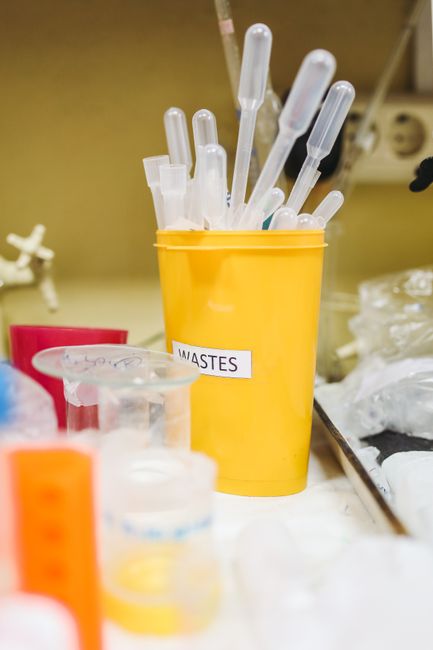
Why Floral waste disposal Hornchurch Havering council guidance Matters
Floral waste sounds simple on paper. In reality, it can include fresh stems, petals, leaves, moss, ribbon, cellophane, foam, plastic sleeves, water tubes, wire, cardboard, and sometimes broken containers too. Once all of that gets mixed together, disposal gets complicated quickly. The wrong approach can create smells, pests, extra bin charges for businesses, and avoidable contamination in recycling or garden waste streams.
For households in Hornchurch, the issue is usually convenience and hygiene. A vase of dead lilies left on a kitchen counter for a few days can become surprisingly unpleasant. For florists, venues, care homes, churches, and event organisers, the stakes are a bit higher. You need a disposal method that is tidy, repeatable, and compliant with local expectations. That is where local council guidance and sensible sorting really matter.
There is also a wider environmental side to this. Floral waste is biodegradable in part, but only if it is kept separate from plastics, foams, and other non-organic materials. Mixed waste is harder to process. A bunch of roses in a biodegradable bag is one thing; a dozen bouquets tangled up with plastic wrap and ribbon is another. Let's face it, the bin does not magically sort itself.
Expert summary: The most reliable approach is usually simple: separate natural plant material from packaging, keep contamination low, and choose the disposal route that fits the setting - household, business, venue, or specialist floral waste stream.
How Floral waste disposal Hornchurch Havering council guidance Works
The exact route depends on who you are and what kind of waste you have. A few stems from a home bouquet are not treated the same way as florist shop waste from a commercial premises. The broad idea, though, stays the same: separate organic floral matter from non-organic materials, and then dispose of it through the most suitable local waste stream.
In many day-to-day situations, the process starts with sorting. Fresh flowers, leaves, and plant cuttings can often be treated differently from wraps, ribbons, and plastics. Some of that material may be suitable for garden or green waste collection where available, while contaminated or mixed material may need to go in general waste. The council's practical expectation is usually cleanliness, separation, and not overloading the wrong bin with things that should not be there.
For florists and event venues, the flow is often a little more structured. Waste builds up in stages: stem trimming, bouquet prep, display removal, and post-event clear-down. If you have a system - one tub for organic stems, one sack for packaging, one box for reuseable materials - the whole process becomes much easier. If not, you get that end-of-day pile-up no one wants to deal with at 6:30pm on a rainy Tuesday.
In Hornchurch, the practical question is less about the word "floral" itself and more about what the waste contains. Mixed waste behaves differently from clean organic waste. That distinction is the thing to keep in mind. If you get that right, most of the rest falls into place.
Key Benefits and Practical Advantages
Good floral waste handling does more than keep a bin area neat. It saves time, reduces smell, and helps people avoid the slow, expensive creep of poor waste habits. A florist who separates stems from packaging will usually find collection and bin management easier. A household that trims flowers before disposing of them can keep the kitchen fresher. A venue that plans for post-event floral waste avoids the awkward midnight scramble with overflowing sacks.
Here are the main benefits in plain English:
- Better hygiene: Less decay in indoor spaces means fewer odours and less mess.
- Cleaner waste streams: Organic material is easier to deal with when it is not tangled with plastic or wire.
- Reduced risk of contamination: Mixing packaging with biodegradable waste can make disposal harder.
- More efficient collections: Tidier separation is easier to store, move, and collect.
- Lower stress for staff: A simple routine saves time at the end of a long shift or event.
- Better environmental outcomes: Keeping organic matter separate supports more responsible disposal where options exist.
There is a commercial benefit too. If you run a florist business in or near RM11, waste handling is part of operations, not a side issue. Efficient disposal supports your store layout, cleanliness standards, and customer experience. And customers notice that sort of thing, even if they never say it out loud.
If you are also choosing products that create less waste in the first place, it can help to think about durability and presentation. For example, reusable vases or simpler wrapping often create less disposal work later. That is one reason some businesses keep an eye on their range and presentation choices, not just their sell-through. If you are browsing product categories, it can be useful to look at the broader selection at all flowers or compare presentation styles through flowers in a vase for lower-post-delivery handling.
Who This Is For and When It Makes Sense
This guidance matters to more people than you might expect. In practice, floral waste disposal becomes relevant whenever there is enough organic material or packaging to create a recurring problem. A couple of roses from a birthday bouquet is one thing. Weekly shop waste, wedding setups, sympathy tributes, and event clear-downs are another matter entirely.
You will find this especially useful if you are:
- a homeowner or tenant clearing spent flowers after an event or delivery;
- a florist managing daily waste from the shop floor, cooler, or prep bench;
- an event planner handling floral arrangements after weddings or private functions;
- a venue manager dealing with post-event waste in reception spaces or churches;
- a care home, office, or hospitality site receiving regular flower deliveries;
- someone arranging sympathy flowers, funeral tributes, or memorial displays.
It also makes sense whenever your waste starts to smell, attract fruit flies, or occupy too much space. That sounds obvious, but it is often the point where people realise the system they were using was never really a system at all. Just a pile, really.
If your flowers were delivered locally and you are dealing with stems and packaging straight away, the job is much easier. For deliveries in Hornchurch and nearby RM11, a timely flower order can reduce the chance of wilted material lingering for too long. If you are sending flowers for an occasion, the local delivery options at flower delivery Hornchurch RM11 and same day flower delivery Hornchurch RM11 can also help you keep arrangements fresh and minimise post-arrival waste.
Step-by-Step Guidance
If you want a straightforward routine, use this process. It works well for homes and can be adapted for shops or venues without much fuss.
- Sort the waste at source. Keep organic flower matter separate from packaging, ribbon, foam, and card.
- Remove non-organic items first. Take out plastic sleeves, elastic bands, wire, tape, tags, and any decorative inserts.
- Drain water safely. Empty vase water into an appropriate sink or drain rather than into a general waste bag.
- Trim bulky stems. Shorter stems are easier to bag, stack, or place in the correct container.
- Keep green waste clean. If you are using a garden or green waste route, avoid mixing in food waste, plastics, or soil where that is not appropriate.
- Use a sealed bag or container where needed. This helps with smell and prevents leaks in shared bin areas.
- Check local collection rules. Councils can differ on what goes where, especially for garden waste and mixed organic material.
- For businesses, record the routine. A simple staff checklist reduces mistakes and keeps the process consistent.
For a household, this might take five minutes after dinner. For a shop or venue, it can become a repeatable part of closing up. Either way, the aim is the same: make the waste predictable. Predictable waste is easier to manage. Unpredictable waste is where headaches begin.
If flowers arrive as part of a wider gift package, you may also need to decide what to do with cards, balloons, or chocolate packaging. That is where a simple station by the bin helps. One tray for paper, one for plastics, one for plant material. It sounds fussy until you have to sort through everything later.
Expert Tips for Better Results
After a while, you notice a few habits make the biggest difference. Not glamorous habits. Just useful ones.
Keep flower waste dry where possible. Excess water turns a manageable bag into a leaking mess. A quick drain before disposal makes everything cleaner and easier to carry.
Separate compostable material from decorative extras. Roses, leaves, and stems behave very differently from florist foam, cellophane, or wire. If you are unsure, treat mixed items as general waste rather than guessing. It is better to be slightly cautious than to contaminate the wrong bin.
Use smaller loads. One overloaded sack is harder to lift and more likely to split. Two smaller ones are usually better. Simple, but true.
Store waste away from heat. In summer, a bag of flowers near a sunny window will start to smell much faster than you expect. A cool bin area makes a noticeable difference.
Build a disposal routine into closing time. The best time to deal with floral waste is before it becomes tomorrow's problem. That is especially important for florists and hospitality sites where freshness matters.
Think about waste before you order. This is a small but helpful business habit. Choosing arrangements and packaging that create less post-use mess saves time later. If you regularly need arrangements for customers or events, the wider local range of flower shops in Hornchurch RM11 and specialist products such as guarantees can support a smoother buying experience, especially when timing is tight.
One more thing: if you are handling large quantities, do not leave everything for the end of the day. A quick tidy every hour or two is better than wrestling with a mountain of stems later. Nobody needs that drama.
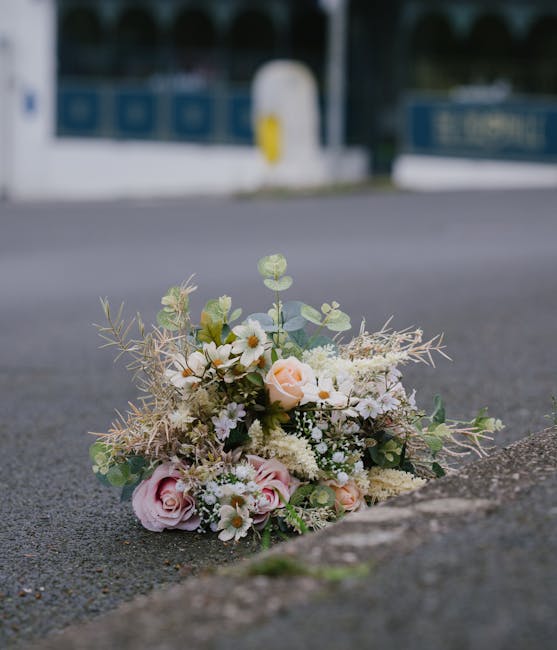
Common Mistakes to Avoid
The biggest mistakes with floral waste usually come from rushing. It happens in busy homes, busy shops, and very busy event venues. You are clearing down, the bin is already half full, and it feels easier to throw everything in one place. That is exactly how problems start.
- Mixing flowers with plastic packaging: This is the most common issue and makes the waste harder to process.
- Leaving water in containers: Heavy, wet waste becomes messy and unpleasant fast.
- Putting everything in general waste without sorting: Sometimes necessary, but often avoidable.
- Overfilling bags: It creates splitting, leaks, and awkward lifting.
- Ignoring local collection rules: What works in one borough may not work exactly the same in another.
- Letting waste sit for days: Fresh flowers age quickly; the smell is never subtle.
Another subtle mistake is assuming all floral material is compostable in the same way. It is not. Mixed arrangements often contain hidden non-organic parts. If you do not check, you can end up making the sort of mistake that is easy to avoid but annoying to fix. Nobody wants to peel tape off soggy stems at the bottom of a bin bag. Absolutely nobody.
Tools, Resources and Recommendations
You do not need much to handle floral waste properly, but a few tools make the job smoother:
- Separate bins or tubs: one for plant material, one for packaging, one for general waste.
- Sturdy bin liners: especially useful if stems are wet or thorny.
- Snips or secateurs: handy for shortening stems before disposal.
- Gloves: useful for thorny roses, sticky floral foam, or large clear-downs.
- Labels: simple signs help staff or family members sort waste correctly.
- Reusable caddies or crates: good for florists, event teams, and repeated collections.
For ongoing flower care and to reduce avoidable waste in the first place, the site's flower care page is a helpful place to start. Better care means longer-lasting arrangements, which usually means less waste and fewer emergency bin raids later on. That is one of those small wins you only fully appreciate after a few months of doing it.
If you are managing stock or planning recurring orders, the wider collection can also help you choose arrangements that fit the occasion more cleanly, such as funeral flowers Hornchurch RM11, wedding flowers Hornchurch RM11, or seasonal options from best sellers. The better the fit, the less leftover material you usually have to clear away.
Law, Compliance, Standards, or Best Practice
When floral waste is created by a business, venue, or repeated commercial activity, it is sensible to treat disposal as part of waste management best practice rather than a casual afterthought. UK waste handling generally expects businesses to separate recyclable and non-recyclable streams where practicable, keep waste secure, and use suitable collection routes for the type of material produced. Exact arrangements can vary, so it is always wise to check current local expectations rather than relying on guesswork.
For homes, compliance is less formal, but good practice still matters. You want to avoid blocked bins, nuisance smells, and contamination of any collection that is meant for a specific waste type. For businesses, the margin for error is smaller. If florists, event venues, or hospitality sites produce floral waste regularly, they should have a practical disposal process written down and understood by staff. Not fancy. Just clear.
Best practice usually means:
- sorting organic and non-organic waste separately where possible;
- keeping wet waste contained and not leaking into shared bin areas;
- avoiding contamination of recycling or garden waste bins;
- using approved waste collection and disposal routes for the material type;
- training staff on what goes where, especially if the work is seasonal or event-based.
It is also sensible to keep business waste procedures aligned with any wider policies on sustainability and supplier responsibility. If your organisation wants to present a more responsible approach overall, the site's sustainability page gives useful context on the broader mindset behind lower-impact operations. Small habits count. They really do.
Options, Methods, or Comparison Table
There is no single disposal method that suits every type of floral waste. The right choice depends on volume, contamination, and whether the waste is from a home, a shop, or an event. The table below gives a simple comparison.
| Method | Best for | Advantages | Watch-outs |
|---|---|---|---|
| General waste | Mixed or contaminated floral waste | Simple and widely available | Less sustainable; may create smell if left too long |
| Garden/green waste | Clean plant material, stems, leaves, petals | Better for organic material; cleaner separation | Usually not suitable for plastics, wire, or foam |
| Composting | Small volumes of clean flowers and foliage | Useful for home or small-scale organic waste | Not all floral waste is suitable; avoid treated or mixed items |
| Commercial waste collection | Florists, venues, and regular high-volume waste | Reliable for ongoing operations | May require clear sorting and contract terms |
| Reuse or donation planning | Fresh, usable arrangements | Reduces waste at source | Needs timing and condition checks |
In practice, most people use a mix. A wedding venue might reuse vases, compost clean stems, and place packaging in general waste. A florist may rely on regular commercial collection but still sort materials into clear groups first. That mix-and-match approach is normal.
Case Study or Real-World Example
Here is a realistic example from an ordinary Hornchurch setting. A local event room hosts a Saturday celebration with several table centrepieces, a welcome display, and a floral arch near the entrance. By Sunday morning, the flowers are still fresh in parts, but some blooms are drooping and the packaging has already been removed from a few arrangements. The team needs the room cleared quickly for the next booking.
The organiser starts by separating the reusable vases and checking which blooms can still be kept for a few more hours. Clean stems and leaves go into a green waste tub. Ribbon, tape, and any plastic sleeves are bagged separately. A few arrangements that include mixed materials and floral foam are placed into general waste because they are too contaminated to sort further. The room is cleared in one pass, and there is no overflow near the kitchen door. Not glamorous, but effective.
What made the difference? A simple routine. No one spent time debating every petal. The team made quick decisions based on material type, condition, and local disposal practicality. That is the model to copy if you want fewer problems and less last-minute stress.
For a household, the same approach works on a smaller scale. A birthday bouquet on the dining table, a glass vase in the sink, a paper sleeve by the bin, and one quick sort before the waste starts to smell. That is usually enough.
Practical Checklist
Use this checklist before you dispose of floral waste:
- Have I removed all plastic, wire, foam, elastic, and tape?
- Are the stems and petals clean enough for a green or organic waste route?
- Have I drained vase water properly?
- Is the waste bag or container strong enough for wet material?
- Have I checked whether this is household waste or commercial waste?
- Do I know whether local collection rules apply to this material?
- Have I separated anything reusable, such as vases or containers?
- Have I kept the waste in a cool, tidy place until collection?
- Is there any contamination that means I should use general waste instead?
- Have I made the process simple enough to repeat next time?
If you can tick most of those off, you are probably in good shape. If not, it may be worth tightening the routine before the next delivery or event.
Get a free quote today and see how much you can save.
Conclusion
Floral waste disposal in Hornchurch is rarely complicated because of one big rule. It is complicated because of lots of small ones. Fresh flowers decay quickly, packaging gets tangled in, and different settings need different disposal habits. Once you separate the natural material from the non-organic bits, the rest becomes much easier to manage.
Whether you are clearing a home bouquet, running a florist counter, or tidying after an event, the same principles apply: sort early, keep waste clean, avoid contamination, and use the most sensible local route available. Do that consistently and the whole job becomes calmer, cleaner, and a lot less annoying. Small thing, big difference.
And if you are trying to make your flower habits more efficient overall, that is a good sign. You are thinking ahead. That is usually where the best systems start.
Frequently Asked Questions
Can I put floral waste in my normal household bin in Hornchurch?
Yes, in many cases you can put small amounts of mixed floral waste into the general household bin, especially if it contains packaging or other non-organic materials. If the flowers are clean and separate, another disposal route may be more suitable.
Are flowers and leaves classed as garden waste?
Clean flowers, leaves, and stems are often treated like organic waste, but whether they can go into a garden or green waste collection depends on the local rules and the type of collection available. Mixed arrangements are not always accepted.
What should I do with plastic flower wrap and ribbons?
Remove them before disposing of the flowers. Plastic wrap, ribbon, wire, tape, and similar items should usually go in the appropriate non-organic waste stream unless local guidance says otherwise.
Can florists in Hornchurch dispose of flower waste the same way as households?
Not always. Businesses often produce more waste, and the handling expectations can be different. Florists are usually better off with a repeatable sorting system and, where needed, a commercial waste collection arrangement.
How do I stop floral waste smelling bad?
Drain water from vases, remove decaying blooms quickly, keep waste sealed, and avoid leaving bags in warm indoor spaces for long periods. In summer, this matters more than people expect.
Is floral foam recyclable?
Usually not in standard household recycling. It is commonly treated as general waste, but you should check the current guidance for your specific disposal route. It is one of those materials that looks simpler than it is.
What is the best way to dispose of funeral flowers and tributes?
That depends on the materials used. Clean flowers and foliage may be separated from ribbons, cards, and wire. For larger tributes, it is often best to sort the organic and non-organic parts first, then dispose of them through the appropriate route.
Can I compost flower waste at home?
Yes, small amounts of clean flowers and foliage can often be composted at home if they are free from plastics, wire, and other treated materials. If in doubt, it is safer to leave out anything mixed or heavily decorated.
What if my floral waste is mixed with food or other rubbish?
If the waste is contaminated, composting or green waste options may no longer be suitable. In that case, general waste is often the most practical route. Keeping the waste clean from the start avoids this problem.
Do event venues need a special floral waste process?
It is strongly advisable. Events create a lot of waste at once, and floral material can become messy very quickly. A simple sorting process and clear bins make post-event clear-down much easier.
Should I separate reusable vases and containers before disposal?
Yes. Anything reusable should be removed first. It saves money, reduces waste, and stops useful items from ending up in the bin by accident. Happens all the time, honestly.
Where can I get flowers that create less waste in the first place?
Look for arrangements that suit the occasion, arrive fresh, and use simpler packaging where possible. Local options such as send flowers Hornchurch RM11 and best flower delivery Hornchurch RM11 can help you choose something that fits better from the start, which often means less waste later.